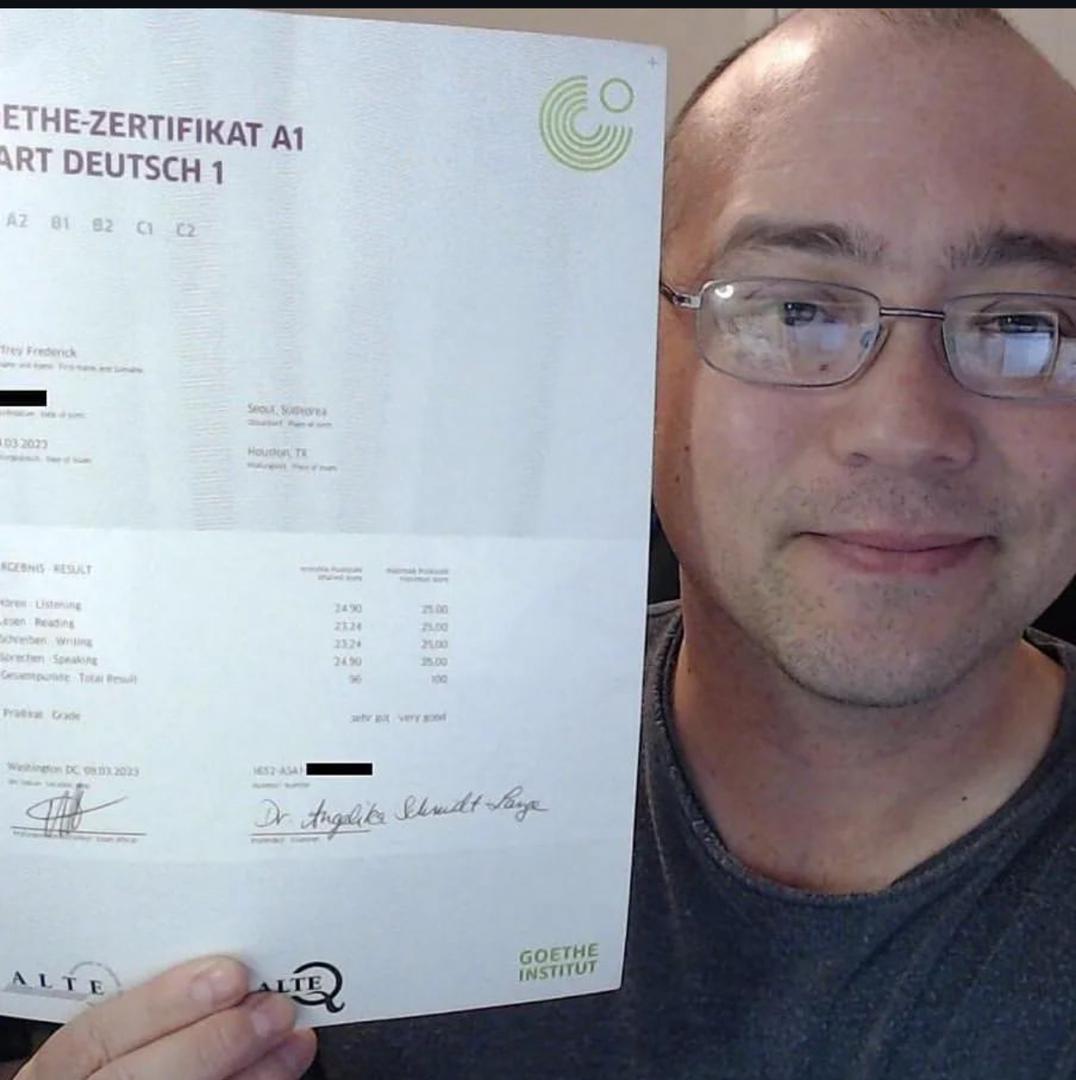
The B1 Certificate: A Gateway to Proficiency in English
The B1 Certificate, typically referred to as the B1 level in the Common European Framework of Reference for Languages (CEFR), represents a pivotal phase in English language efficiency. Obtaining this certificate showcases a student's capability to utilize the language successfully and with confidence in practical contexts. In this post, we will look into the subtleties of the B1 Certificate, its significance, the assessment process, and often asked questions.
Comprehending the B1 Level
The B1 level is often referred to as the "Threshold" level. At this stage, students can comprehend the primary points of clear basic input on familiar matters such as work, school, leisure, and topics appropriate to day-to-day life. People at this level can also produce easy connected text on subjects of personal interest and describe experiences, events, dreams, hopes, and aspirations.
Key Competencies at the B1 Level
To much better highlight the competencies related to the B1 level, we can break them down into specific classifications:
| Competency | Description |
|---|---|
| Listening | Can understand the main concepts of conversations and conversations if spoken clearly. |
| Checking out | Can check out uncomplicated texts on subjects such as individual letters, pamphlets, and articles. |
| Speaking | Can manage most circumstances likely to arise while taking a trip in an area where the language is spoken. |
| Composing | Can write easy texts on familiar subjects, such as personal letters or notes. |
The Importance of the B1 Certificate
Getting the B1 Certificate can considerably impact a person's personal, academic, and professional trajectory. Here are numerous reasons why this accreditation is necessary:
- Academic Opportunities: Many academic organizations need evidence of English efficiency for admission, and a B1 Certificate typically satisfies this requirement.
- Work Advantages: In today's globalized world, many employers seek prospects who can communicate successfully in English. Having a B1 Certificate shows that an individual has a great command of the language, making them more competitive in the task market.
- Personal Growth: Learning a new language opens doors to brand-new cultures and perspectives. Achieving a B1 level motivates self-confidence in communication, improving individual interactions.
- Travel: English is commonly spoken around the world. A B1 Certificate can significantly enhance the travel experience, permitting much better navigation and interaction in English-speaking environments.
How to Prepare for the B1 Certificate Exam
Getting ready for the B1 Certificate exam needs a thoughtful technique. Below are suggested steps and resources for efficient preparation:
Study Materials
| Resource Type | Examples |
|---|---|
| Books | "English File B1," "Headway B1," "Complete B1" |
| Online Resources | Sites like BBC Learning English, Duolingo, and Quizlet |
| Practice Tests | Sample tests from Cambridge English and ETS |
Advised Preparation Steps
- Set Clear Goals: Identify specific abilities to focus on, such as vocabulary growth, grammar enhancement, and listening comprehension.
- Engage with the Language: Surround oneself with English through music, motion pictures, or podcasts.
- Practice Regularly: Allocate time daily to practice all 4 proficiencies-- listening, reading, speaking, and composing.
- Take Mock Exams: Familiarize oneself with the exam format and kinds of concerns by completing practice tests.
- Sign Up With a Language Class: Consider enrolling in a regional language school or online courses that provide structured assistance and interaction.
- Look for Feedback: Regularly compose essays or engage in discussions in English and look for feedback to improve.
What to Expect on the B1 Certificate Exam
The B1 Certificate exam evaluates competencies throughout 4 sections: Listening, Reading, Writing, and Speaking. Below is an overview of each component:
| Exam Component | Format | Scoring |
|---|---|---|
| Listening | Multiple-choice questions based upon audio recordings. | 25% of overall rating |
| Checking out | Multiple-choice and true/false questions based on different texts. | 25% of total rating |
| Composing | A brief essay (150 words) and a letter or e-mail (100 words). | 25% of total score |
| Speaking | Private tasks and a conversation with an examiner. | 25% of overall score |
Regularly Asked Questions
1. What is B1 Sprachzertifikat ?
The B1 Certificate is a main acknowledgment of English language efficiency at the B1 level of the CEFR, validating that a learner can communicate efficiently in various daily scenarios.
2. Zertifikat B1 Telc of time does it require to get ready for the B1 Certificate?
Preparation time differs depending upon the person's present proficiency level, but typically varies from six months to one year with regular research study and practice.
3. Which organizations offer B1 Certificate tests?
Reputable companies consist of Cambridge English (PET exam), ETS (TOEFL), and the British Council, to name a few.
4. Can the B1 Certificate expire?
The B1 Certificate itself does not have an expiration date; however, some institutions might require up-to-date evidence of language skills, suggesting that recent tests or coursework might be essential.
5. What are the costs connected with the B1 Certificate exam?
The exam charges can vary significantly by location and organization, generally ranging from ₤ 100 to ₤ 200.
Accomplishing the B1 Certificate is not simply a standard in one's language finding out journey, it represents a wealth of chances for academic, expert, and individual growth. With committed preparation and the best resources, students can confidently browse the exam and advance again towards their language objectives. The capability to communicate successfully in English is an important asset in today's interconnected world, making the B1 Certificate a beneficial pursuit for lots of aspiring learners.